.png)
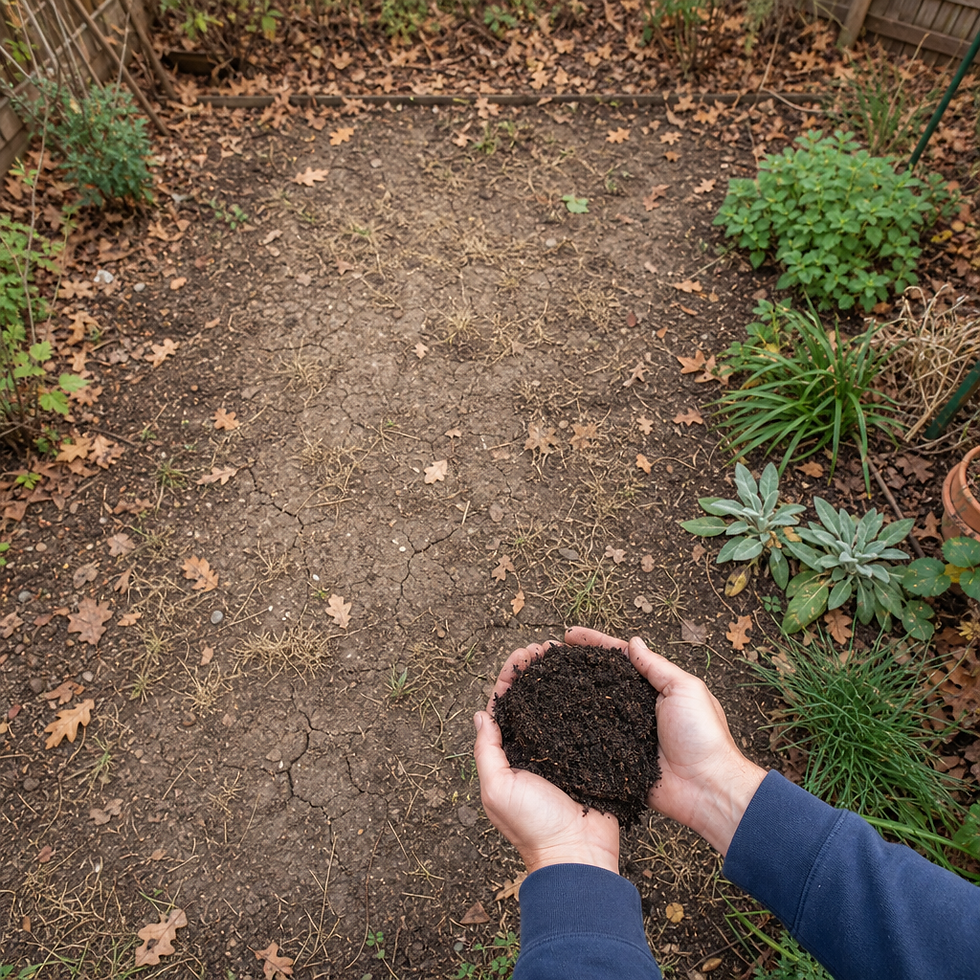
Most Sydney gardens look their worst in August, and that is exactly the right time to act. If you wait until the warburtons are already flowering and your neighbours' gardens are already green, you have missed the window for spring garden preparation Sydney homeowners consistently regret skipping. The Inner West clay soil compacts over winter, North Shore gardens accumulate months of leaf litter, and CBD terrace gardens dry out in ways that punish plants come October. Getting ahead of spring by six to eight weeks is not optional if you want colour, density, and healthy lawn coverage before the season peaks.
Table of Contents
Quick Takeaways
Key Insight
Explanation
Start in mid to late August
Sydney's spring warming begins earlier than most gardeners expect. Soil temperatures in Inner West gardens begin rising above 10°C in August, triggering weed germination and root activity.
Aerate before you fertilise
Applying fertiliser to compacted clay soil wastes money. Aeration opens the soil and lets nutrients reach roots rather than sitting on the surface and running off in rain.
Remove winter weeds before they seed
Winter annuals like chickweed and oxalis set seed in early spring. Pulling them in August prevents a summer-long weed problem without chemicals.
Top-dress lawns with sand on heavy clay
Sydney's Inner West and Lower North Shore soils are frequently clay-heavy. A light sand top-dressing after aeration improves drainage before the wet spring period hits.
Hedge trimming now sets shape for six months
Trimming hedges just before the spring growth flush lets new growth fill in evenly, producing a dense and shaped result by November without a second major cut.
Mulch after weeding, not before
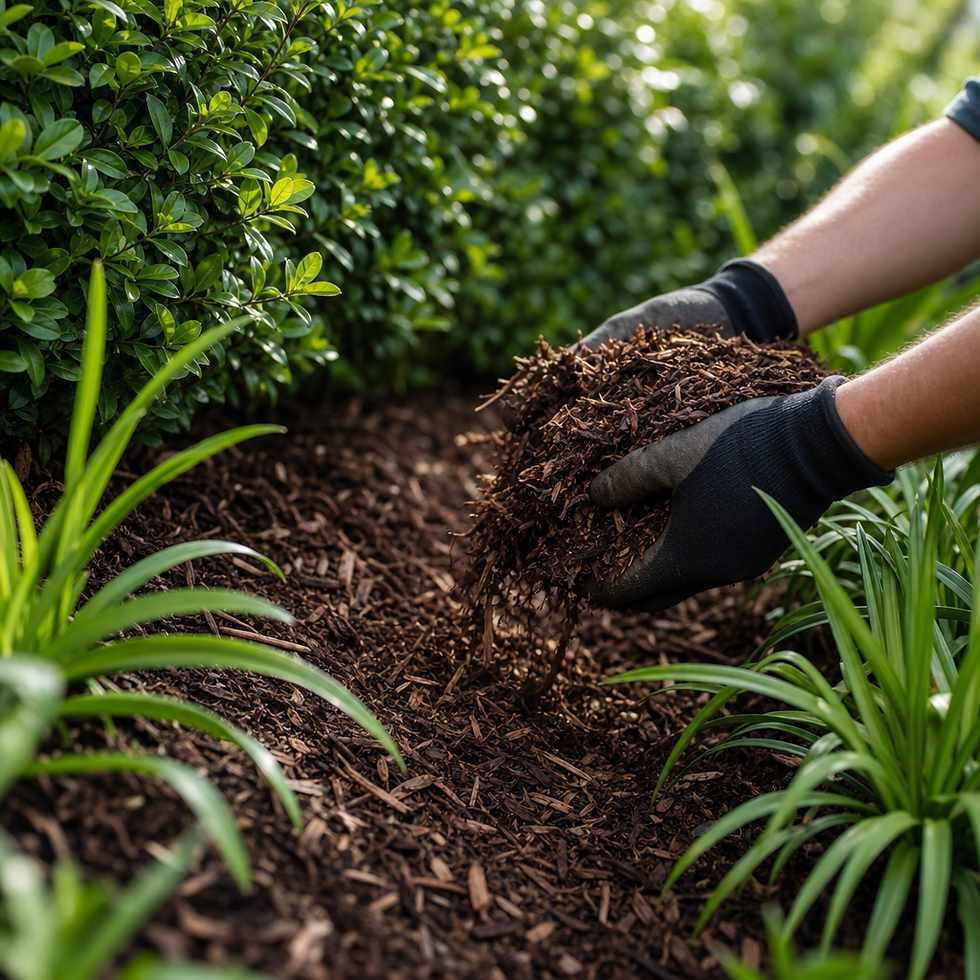
A common mistake is mulching over existing weeds. Weeds push through mulch readily. Remove them first, then apply 75mm of organic mulch to suppress new germination.
Clean gutters before October storms
Sydney's spring storm season runs October through November. Blocked gutters from winter leaf fall overflow onto garden beds, causing root rot and soil erosion in established plantings.
Why Late Winter Is the Real Preparation Window
The single biggest mistake Sydney gardeners make is treating spring prep as a spring task. By the time you see consistent warm weather in October, the prep work should already be finished. The soil is workable, the weeds are not yet seeding, and plants are just waking up but not yet under the stress of summer heat. This is your most effective working window, and it closes fast.
In practice, the Inner West microclimate warms earlier than many gardeners realise. Suburbs like Newtown, Leichhardt, and Annandale sit in a heat-retaining urban pocket that pushes soil temperatures up faster than coastal North Shore suburbs. That means your preparation timeline should start slightly earlier if you are gardening in the Inner West compared to, say, Cremorne or Neutral Bay.
Garden maintenance Sydney professionals who work year-round consistently report that the gardens with the best spring results are those that received attention in July and August. Those that received a spring clean-up in October are always playing catch-up. A six-week head start is not an exaggeration; it is the difference between lush and patchy.
Pro tip: Mark the last week of July in your calendar as "garden audit week." Walk every bed, check your lawn edges, and list every task before prices for garden maintenance services increase with spring demand.
Soil Preparation: What Sydney Gardens Actually Need
Sydney's geology makes soil preparation non-negotiable. The Hawkesbury sandstone that underlies much of the North Shore produces free-draining but nutrient-poor soil. The Wianamatta shale beneath the Inner West produces the opposite: dense, sticky clay that drains poorly and compacts under foot traffic and winter rain. Neither extreme is ideal for spring planting without intervention.
Testing Before You Amend
A simple soil pH test from any hardware store tells you more in ten minutes than guessing for a season. Most Sydney soils sit between pH 5.5 and 7. The Inner West clay tends toward alkalinity due to limestone content in building rubble mixed into suburban soils over decades of renovation. North Shore sandstone soils often trend acidic. Getting this wrong means your fertiliser does almost nothing because nutrients become chemically unavailable outside the right pH range.
For alkaline Inner West soils, apply elemental sulfur at 200g per square metre in August. For acidic North Shore soils, a light lime application in the same period corrects the balance before spring planting. The data consistently shows that pH-adjusted soils produce 20 to 30 percent better plant establishment rates than unamended soils, according to NSW Department of Primary Industries soil health guidance.
Aeration and Organic Matter
Aeration is the highest-return task you can do for a compacted Sydney garden bed or lawn. For garden beds, a garden fork pushed 15 to 20cm into the soil and rocked gently breaks up compaction layers. For lawns, a core aerator removes plugs and creates channels for water, air, and nutrients. Leave the plugs on the surface; they break down and return organic matter.
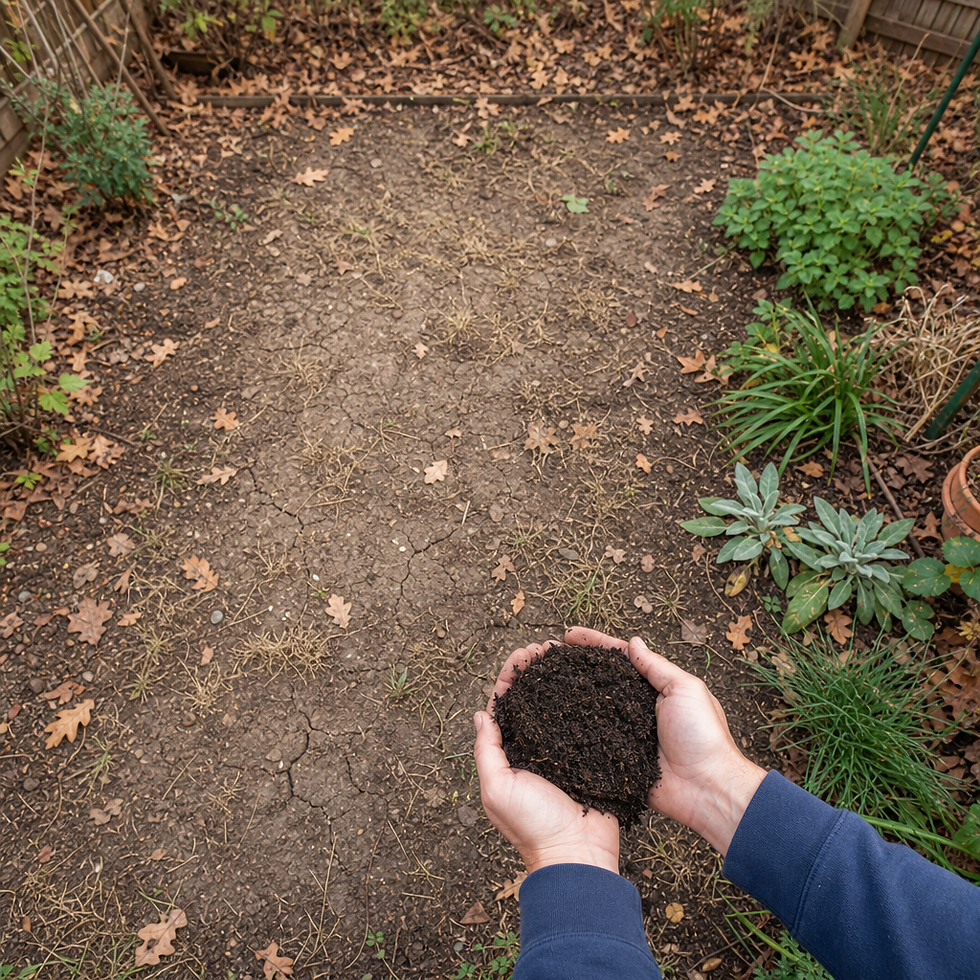
After aeration, work in compost at one to two buckets per square metre for garden beds. This is not optional for clay soils. Compost physically breaks up clay particles, improves drainage, and adds a slow-release nutrient base that synthetic fertilisers cannot replicate. Apply a balanced slow-release fertiliser after the compost is incorporated, not before.
Lawn Recovery After a Sydney Winter
Sydney lawns take a genuine beating over winter. Buffalo grass, which dominates most Inner West and North Shore residential lawns, goes semi-dormant and thins out at the edges. Couch grass stops growing almost entirely. What you are left with in August is often a patchy, yellowed lawn with compacted soil and a layer of dead thatch sitting on the surface.
The lawn recovery sequence matters. Do it in the wrong order and you waste effort. The correct sequence is: dethatch first, aerate second, top-dress third, fertilise fourth, and then water consistently. Skipping dethatching before aeration means the aerator tines are working through a compressed mat instead of reaching soil. The result is shallow aeration that accomplishes very little.
Dethatching Sydney Lawn Types
For buffalo lawns, a heavy rake or a mechanical scarifier on a low setting removes the dead thatch without damaging the stolons. Be firm but not aggressive. Buffalo is resilient but the stolons sitting on the surface can be damaged if you set a scarifier blade too deep. Aim to see soil through the grass after dethatching, not bare dirt in patches.
For couch lawns, which appear more in newer Inner West and CBD developments, a harder scalp mow at the start of September, followed by fertilising, produces the fastest green-up response. Couch responds dramatically to nitrogen; a quality fertiliser with a high first number (nitrogen) applied in early September triggers fast recovery.
Pro tip: Do not overseed a buffalo lawn in early spring. Buffalo does not propagate from seed and mixing in other grass types creates an uneven, patchy appearance. Fill any bare patches with buffalo runners or plugs from a healthy section of the lawn instead.
"Healthy soil is not just dirt. It is a living system. When you tend to the soil first, the plants follow." - Dr. Christine Jones, soil ecologist and founder of Amazing Carbon, speaking on regenerative soil management in Australian garden contexts.
Pruning and Hedge Trimming Before the Growth Surge
Pruning in late winter is one of the most impactful garden tasks you can do. The reason is simple: plants respond to pruning by pushing new growth. If you prune just before spring, that new growth comes in during the peak growing season, producing a denser, more vigorous plant by summer. If you prune in October or November, you are cutting off the growth the plant has already invested energy in producing.
What to Prune Now in Sydney
Roses should be pruned hard in late July to early August in Sydney. Remove at least one-third of the plant, cutting to an outward-facing bud at a 45-degree angle. Inner West and North Shore gardeners consistently get better rose results from a hard prune than a conservative trim. Sydney's warm spring accelerates the regrowth and produces flowering within eight to ten weeks of pruning.
Deciduous shrubs, ornamental grasses, and perennials that have died back over winter should all be cut back to their base before August ends. This removes the dead material that harbours fungal disease and pests, and it gives the fresh new growth a clean start without competing with old material.
Hedges including Lilly Pilly, Murraya, and Viburnum, which are the three most common hedge species in Sydney's Inner West and North Shore suburbs, should receive a shaping cut before the first flush of spring growth. A clean shape now means the new growth fills in along the correct lines and you do not need to recut for six months.
Mulching and Weeding in Inner West and North Shore Gardens
Garden prep Inner West spring almost always starts with weeding, and for good reason. The combination of winter rain and moderate temperatures creates perfect germination conditions for oxalis, chickweed, fleabane, and clover. These winter annuals go unnoticed because they are small in July, but by September they are flowering and setting thousands of seeds per plant.
Weeding Strategy That Actually Works
Hand weeding in August, before seed set, eliminates next season's weed bank from the soil. This is the most effective weed management approach for residential Sydney gardens, particularly in the Inner West where chemical applications are limited by proximity to stormwater drains that feed directly into Cooks River and Parramatta River catchments.
A common mistake is pulling weeds after rain when the soil is wet, assuming it is easier. In practice, wet Inner West clay compacts around disturbed roots and pulls surrounding plants with the weeds. Weed when the soil is moist but not saturated, ideally two days after rain.

Mulching for Spring and Summer Protection
Mulch applied in August to September serves two functions: it suppresses the next wave of weed germination, and it moderates soil temperature heading into the Sydney summer. The sweet spot for mulch depth is 75mm. Less than 50mm does not suppress weed germination effectively. More than 100mm can cause water to bead off rather than penetrate to roots.
For garden maintenance Sydney gardens benefit most from organic mulches: sugar cane mulch, wood chip, or lucerne. Avoid dyed wood chip mulches near edible garden areas. In North Shore sandstone-based gardens, composted pine bark is particularly effective because it acidifies slightly as it breaks down, complementing the natural soil pH.
Comparing Spring Prep Approaches for Sydney Gardens
Approach
Best For
Limitations
DIY Weekend Blitz
Small CBD courtyard gardens or single-bed Inner West terraces where the scope is limited and physical access is easy
Incomplete without professional equipment for aeration or scarifying. Prone to missing soil pH correction and over-pruning without experience.
Seasonal Professional Maintenance Package
North Shore residential properties and strata complexes with multiple garden zones, lawns, hedges, and established trees requiring coordinated care
Requires booking in advance as demand peaks in August and September. Not cost-effective for single-task jobs like weeding only.
Targeted Task Scheduling
Inner West gardens with a mix of lawn, beds, and hedges where owners handle some tasks but want professional results on high-impact work like hedge trimming, mulching, and lawn recovery
Requires coordination between DIY tasks and professional scheduling. Risk of timing mismatches if pruning and mulching are not completed in the correct sequence.
What to Plant Now for Peak Spring Colour
August is the prime planting window for spring flowering annuals in Sydney. The soil is warm enough to establish roots but cool enough that newly planted specimens are not immediately stressed by heat. Planting in September or October means your plants spend their first weeks fighting heat rather than establishing.
Best Plants for Sydney's Spring Garden
For the Inner West, where soils are heavy and summers are hot and humid, plant petunias, salvias, and agapanthus for reliable colour with minimal disease pressure. Agapanthus in particular thrives on neglect once established and produces a spectacular display along the fence lines and borders that are common in Newtown, Marrickville, and Balmain properties.
For North Shore gardens with sandstone-based free-draining soil, lavender, grevilleas, and banksias planted now will establish before the summer heat. These plants prefer the slightly acidic, low-phosphorus conditions of sandstone soils and actively perform better without rich amendment. Adding too much compost or fertiliser to these species causes leaf burn and root damage.
For CBD terrace or courtyard gardens where space is limited, use a combination of potted standard roses and ground-level ornamental grasses. The vertical structure of the rose standards creates visual height in small spaces, and the grasses provide movement and textural contrast without competing aggressively for water in confined planters.
Pressure Washing and Gutter De-Cluttering as Part of Garden Prep
Most garden preparation guides ignore this entirely, but in Sydney's suburban context, hard surface maintenance is inseparable from garden health. Paths, pavers, and driveways covered in winter moss and algae become hazardous in spring rain. More importantly, blocked gutters from autumn and winter leaf fall create overflow events that wash directly into garden beds at the property perimeter.
Pressure washing paths and entertainment areas before spring also removes the layer of compacted organic matter that acts as a weed seedbed on paver joints and concrete cracks. A clean hard surface heading into spring means far fewer weeds breaking through pavers by November.
Gutter de-cluttering in August, before the October storm season, prevents the overflow damage that consistently ruins the mulching and planting work done earlier in the season. A blocked gutter over a garden bed deposits not just water but accumulated decomposed organic matter, often at a pH and salt concentration that burns plant roots. In practice, a gutter clear-out takes an hour on most Inner West terraces but saves days of remediation work.
Neat Weeds includes pressure washing and gutter de-cluttering as part of its seasonal maintenance packages precisely because these tasks have a direct impact on the garden outcomes clients are paying for. A beautiful spring garden does not survive October storms coming off dirty gutters.
Frequently Asked Questions
When should I start spring garden preparation in Sydney?
Start in mid to late July for best results. Sydney's climate means soil temperatures begin rising earlier than most gardeners expect, particularly in the Inner West. Weeds germinate from August, and lawn recovery takes six to eight weeks, so waiting until September puts you behind the growing season before it has even started.
What is the best fertiliser for Sydney spring gardens?
A balanced slow-release granular fertiliser applied after aeration and compost incorporation gives the most consistent results across Sydney soil types. For lawns, use a fertiliser with a higher nitrogen content (first number on the label) applied in early September. For garden beds, a complete organic fertiliser with balanced NPR works better than synthetic products on clay soils because it feeds the soil biology, not just the plant.
How deep should mulch be applied in Sydney garden beds?
Apply mulch at 75mm depth consistently. This is the minimum effective depth for weed suppression and moisture retention in Sydney's spring conditions. Less than 50mm allows weed germination. More than 100mm can cause surface runoff and prevent rainfall from reaching plant roots during spring storms.
Can I do spring garden prep myself or should I hire a professional?
You can handle basic weeding, light pruning, and planting yourself if you have a small courtyard or single garden bed. For larger properties, lawns requiring aeration and dethatching, established hedges needing structural trimming, or strata complexes with multiple zones, professional garden maintenance delivers better results and protects the existing investment in your planting. The equipment required for proper lawn aeration alone is not practical to hire and operate without experience.
What weeds should I target first in an Inner West Sydney garden in late winter?
Target oxalis, chickweed, and fleabane first because they set seed earliest in the season. Oxalis is particularly aggressive in Inner West clay soils and spreads by both seed and bulbil. Remove the entire root system, not just the top growth, or it regrows within weeks. Do this before August ends and you eliminate the majority of next season's weed pressure without chemicals.
Does spring garden preparation differ between Inner West and North Shore Sydney?
Yes, meaningfully. Inner West gardens sit on clay-heavy Wianamatta shale soil that compacts over winter and trends alkaline. North Shore gardens over Hawkesbury sandstone drain freely but are nutrient-poor and often acidic. Soil amendment, pH correction, and drainage management strategies differ significantly between the two. A one-size-fits-all approach consistently produces poor results in both locations.
How does Neat Weeds' tree-planting initiative work with seasonal garden services?
Every new Neat Weeds customer triggers a tree planting through the company's environmental commitment. This happens automatically when you book any garden maintenance service, from a spring clean-up through to an ongoing maintenance package. It is not a separate program to enrol in; it happens as a direct consequence of engaging the service for the first time.
What does your Sydney garden look like right now, and which of these preparation tasks is the one you have been putting off the longest? Leave a comment below and share what your biggest garden challenge is heading into spring.
Comments